People with a Language Processing Disorder (LPD) find it hard to understand the meaning of words they hear – even though they might be fluent speakers of the language. They also have difficulties finding the right words to say, almost like words are “stuck on the tip of their tongue”.
In this introductory article, we’ll look at some of the symptoms of LPD and how it can be treated. If you want to get a basic understanding of LPD in a short time, this article should help. On the other hand, if you are looking for greater detail, check out the two in-depth articles on Language Processing Disorder – Symptoms of LPD and Treating LPD.
Symptoms in Children and Adults.
Let’s look at how LPD affects kids first. Often, children with LPD find it hard to follow what their school Teacher is saying. Another sign is that, when you talk with them, kids with LPD may give you delayed or off-topic answers. If you have noticed any of these symptoms, or the ones below, it could be related to LPD:
- Your child may have poor attention in class, especially when listening to instructions from the teacher.
- He or she may be able to describe or draw something, but struggle to think of its name. Arts and crafts may be their strong point.
- Your child may call things by a different name, even though you’re sure he or she knows the proper word for it.
- When you ask your child a question, he or she may take a long time to answer, or give an answer to an unrelated question.
Adults with LPD experience similar difficulties. They may find conversations difficult and often struggle to understand jokes or sarcasm. Interpersonal skills are a huge part of working life, so LPD can be quite challenging for professionals. If an adult has LPD, he or she may often do the following:
- Forget the name or word they need to describe something.
- Misunderstand what other people say. I.e., ‘get the wrong impression’.
- Find it extremely tiring to talk on the phone.
- Find it especially hard to give ‘on-the-spot’ answers to questions.
- Struggle to remember lectures or other spoken information.
Treatment
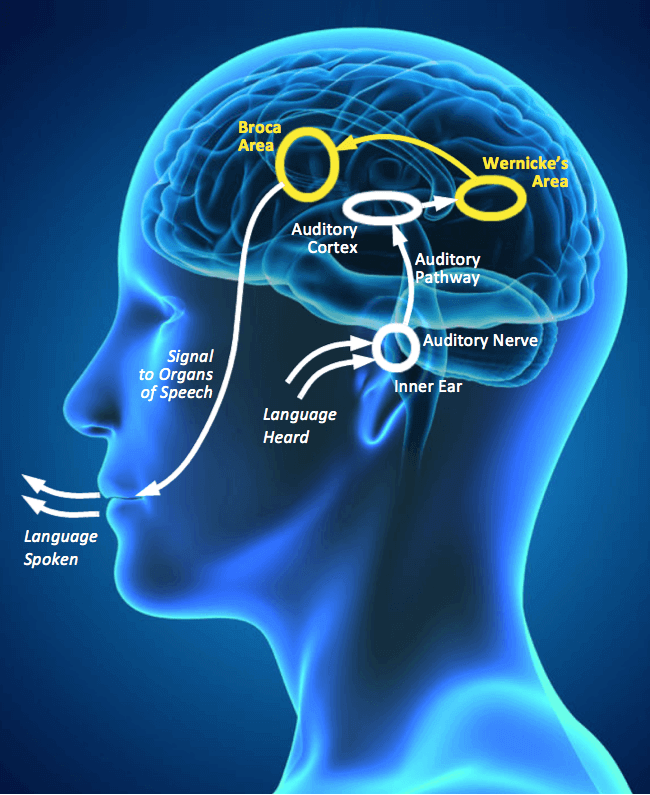
Several areas of the brain work together as we listen, understand and use words. In the case of LPD, these areas don’t work as quickly or efficiently as they should. The good news is the brain is very adaptable. So, by regular practice of certain brain-training exercises, we can teach our neurons to handle language with ease!
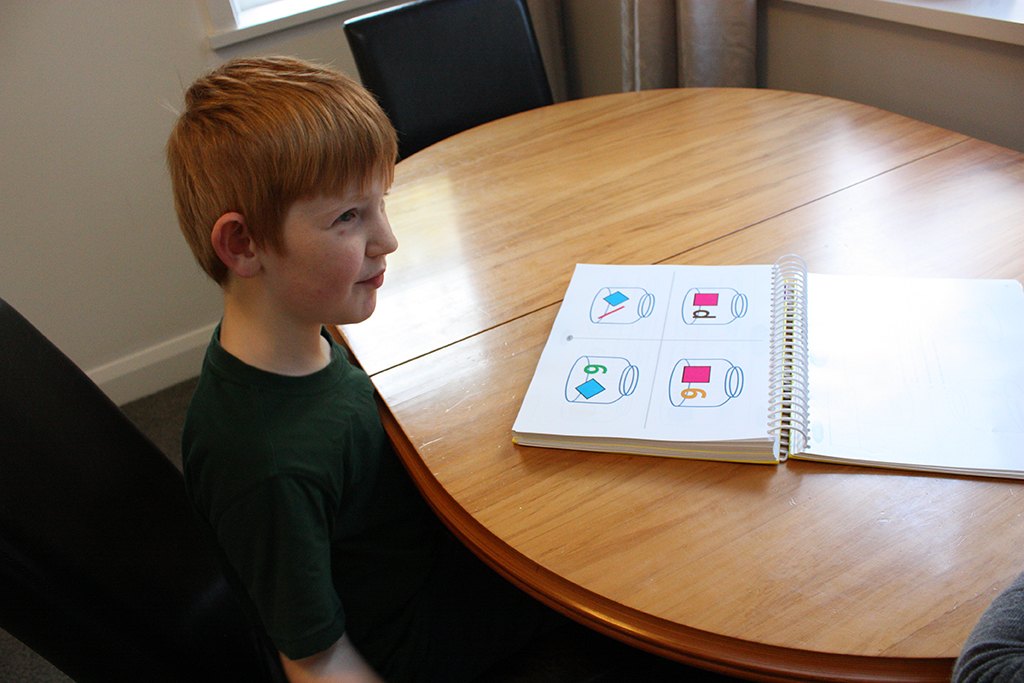
A Speech-Language Therapist’s job is to choose the brain-training exercises (and other treatments) that are right for you individually. First, the Speech-Language Therapist (SLT) will test your communication skills to learn about your individual needs. Then he or she will design a treatment programme to help any communication problems you may have – including LPD. For example, if an SLT was working with a child who had Language Processing Disorder, he or she would probably start by guiding the child through many games that challenged and developed their memory, listening skills and word-finding skills.
Next steps
If you are worried that you (or a family member) might have a Language Processing Disorder, remember that support is available. For a start, it helps to talk to an SLT.
If you would like to read more, to take a look at the Symptoms of LPD and Treating LPD articles next.